
Costs
What electricians charge per hour, and why quotes differ
By Mizan, Founder and lead engineer5 min read
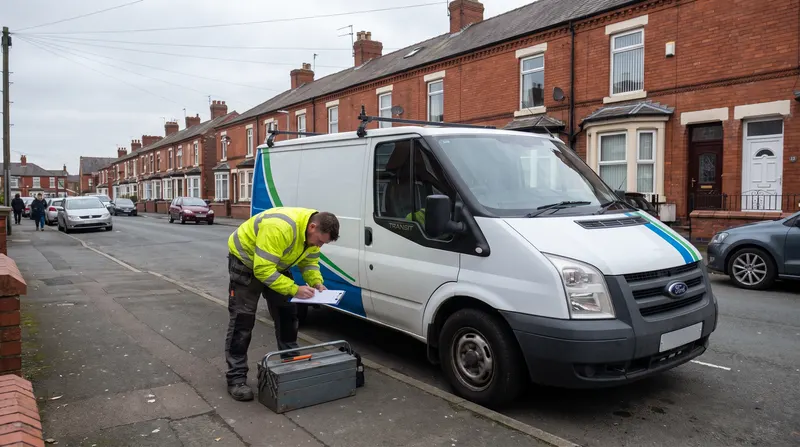
Ask what an electrician charges per hour and you will get three different kinds of answer, because there are three different ways of billing the work. Some jobs are priced by the hour, some by a call-out plus the hour, and some are quoted as a fixed figure once someone has actually seen the job. Our charges page sets out our own rates; what follows is why the same piece of work can be priced differently depending on which of those three you are being quoted against.
Hourly, call-out or fixed price
- Hourly — you pay for the time on site, usually with a minimum charge for the first hour and half-hour billing after that.
- Call-out plus hourly — a fee for the visit itself on top of the hourly rate, more common out of hours or at short notice.
- Fixed price — one figure agreed in advance for a defined job, such as a consumer unit replacement or an EV charger installation, once the property has been seen.
A straight repair or a small job — a dead socket, a switch that has failed, a fault that needs tracing — is usually hourly. Anything with a clear scope and a known amount of material, like a rewire or a board swap, is better fixed, because neither side is guessing how long it will run.
Why the first hour costs more than the ones after it
Most electricians, us included, charge a minimum of one hour whether the job takes ten minutes or the full sixty. That is not padding — turning up, parking, carrying tools in, and the time to actually diagnose the problem all happen inside that first hour regardless of how simple the fault turns out to be. After it, time is usually billed in half hours rather than rounded up to the next full one, so a ninety-minute job costs noticeably less than a two-hour one.

Out-of-hours and emergency rates
Evening, night and weekend work costs more almost everywhere, and electrical call-outs are no different — an emergency electrician coming out at 2am is paying for a disrupted night as much as the job itself. What counts as genuinely urgent is worth knowing before you ring: a burning smell or exposed wiring is an emergency whatever the hour, but a socket that stopped working somewhere you don't rely on tonight can usually wait for the daytime rate. Our charges page lists what the out-of-hours bands actually are.
Why the same job can cost more at one house than another
A single socket replacement sounds like it should be one fixed number, but access decides most of the price. A socket on a plastered wall with a straightforward run back to the consumer unit is quick. The same job behind a kitchen unit, or on a wall that needs opening up to chase a new cable in, takes a great deal longer — and if the circuit it sits on turns out to be undersized or poorly earthed, that gets found and flagged before the new socket goes back on, not quietly ignored.
What the certificate at the end is worth
A quote that is purely labour and parts, with no testing and no paperwork at the end, is not pricing the same job as one that includes them. Notifiable work needs certifying either way, so a cheaper quote that skips it has not actually saved you the cost — it has just moved it to whenever you need the certificate and discover you never got one. Checking an electrician's registration against the Competent Person Scheme register before booking tells you whether that paperwork is even something they can issue.
We quote straight: hourly for the small jobs, a fixed price once we have seen anything bigger, and no call-out fee on an emergency visit. Our charges page has the current rates.
If you are unsure, it is always cheaper to ask than to guess. Give us a call and we will tell you straight.