
Safety
Which wire is live? UK cable colours, old and new
By Mizan, Founder and lead engineer4 min read
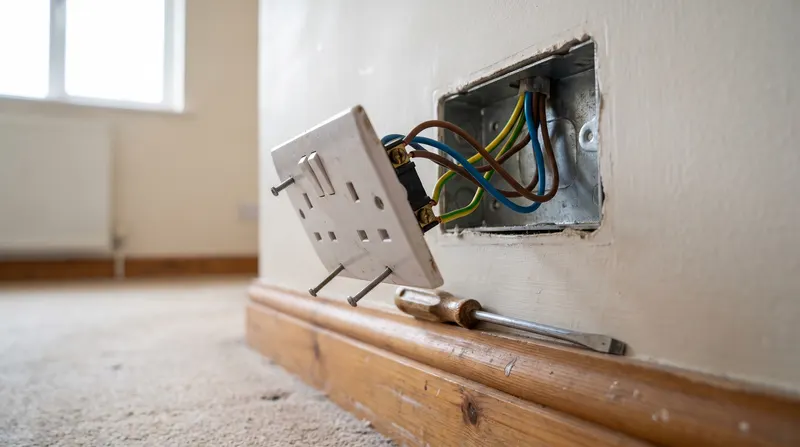
In a modern UK cable, the live conductor is brown, the neutral is blue, and the earth is sleeved in green-and-yellow. That is the system you will find in anything wired from the mid-2000s onwards, and it is the one to go by on any cable you cannot otherwise date.
The old colours, if you find them
Open an older fitting and you may find red for live, black for neutral, and a plain green (sometimes just bare copper) for earth. That was the previous standard, used right up until the changeover in the mid-2000s, and it is still common in houses that have not had a full rewire since. The two systems are not interchangeable in the same circuit — red is never neutral, and black is never earth.
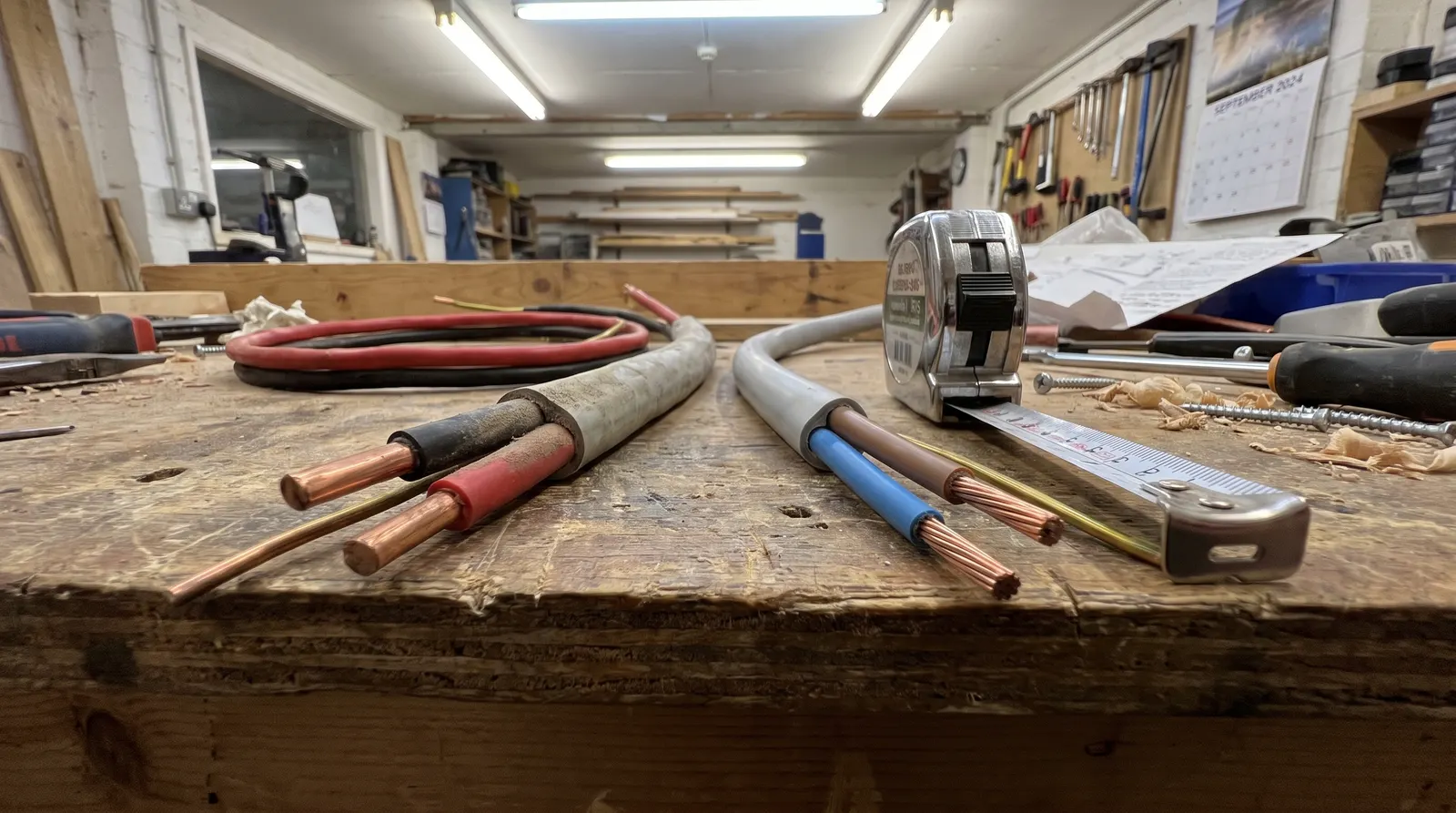
The mix-up that actually catches people out
The dangerous moment is not usually spotting red versus brown — it is finding a house with both eras present, perhaps because one room was rewired and the rest was not. In a light switch or ceiling rose, the blue conductor is sometimes used as a switched live rather than a neutral, and wherever that happens it is required to be marked or sleeved to show it is carrying live current. If that marking has worn off, gone missing, or was never done properly, a blue wire can be live when you are expecting it to be dead. Treat any wire by what it is doing, not just by its colour.
Wiring a plug
- Brown goes to the terminal marked L, behind the fuse.
- Blue goes to the terminal marked N.
- Green-and-yellow goes to the top terminal, marked E, which is the longest pin on the plug.
If a fault turns up wiring you are not sure how to read safely, our fault finding service covers exactly this across London, Essex and north Kent.
If you are unsure, it is always cheaper to ask than to guess. Give us a call and we will tell you straight.