
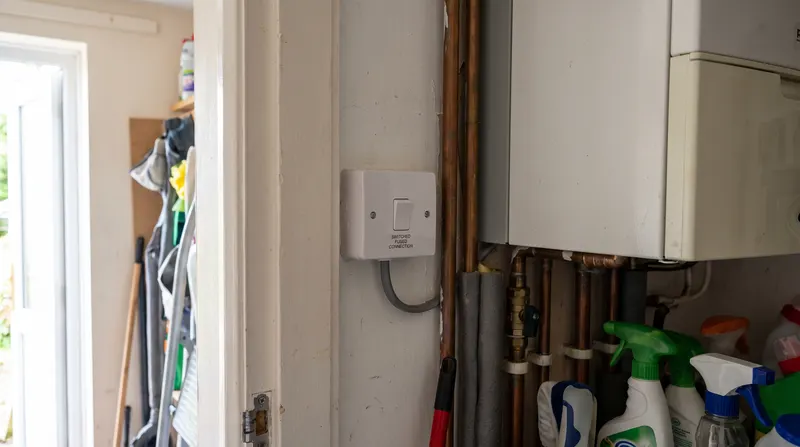
A fused spur — properly a fused connection unit — is a fixed, switched connection point with its own small cartridge fuse, wired off an existing circuit to feed one appliance permanently rather than through a plug. It is how a boiler, an extractor fan or an outdoor light gets its supply without a flex trailing to a socket, and the fuse inside it is sized to protect whatever is connected, not the cable feeding it.
Switched, unswitched and flex-outlet versions
A switched fused spur has its own on/off switch built in, which doubles as a local isolator for whatever it feeds — the usual choice for anything you might need to turn off without going to the consumer unit. An unswitched one is just the fused connection, no switch, used where isolation already exists somewhere else nearby. A flex-outlet version adds a cable gland so the flex to the appliance comes straight out of the unit rather than terminating in a socket first — common on extractor fans and some towel rails.
What usually sits on one
- Boilers and central heating controls — a dedicated, isolatable supply rather than sharing a socket.
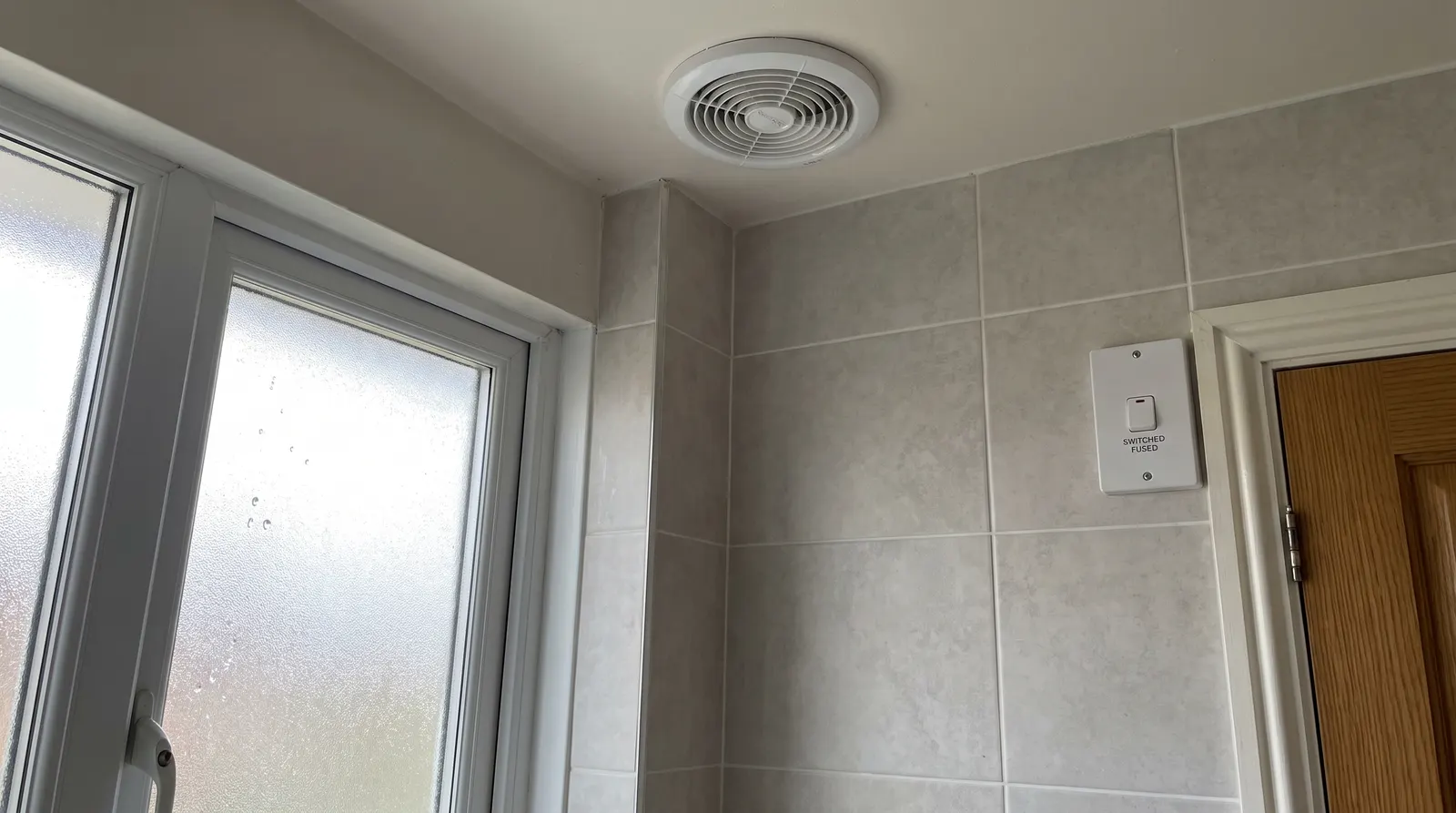
- Extractor fans, especially where building regs expect the fan wired in rather than plugged in.
- Electric towel rails, where the fused spur also gives a local off switch for a wet room.
- Outdoor lights and security floodlights, fed on their own fused, weatherproof connection rather than an extension lead.
- USB charging points and other small fixed loads where a permanent connection makes more sense than a plug.
The rule that catches people out: a spur off a spur
Spurring off a ring final circuit is normal practice, but the wiring regulations only allow it in certain ways — broadly, one unfused spur per socket you take it from, feeding one single or double outlet or one fixed appliance, and a spur is not meant to feed a further spur. Get that wrong and you can end up with a cable carrying more current than it was ever sized for, with nothing upstream rated to notice. If you are not certain whether an existing spur is already at its limit, that is exactly the kind of thing worth having an electrician check before adding another one to it.
Getting the fuse rating right
The cartridge fuse inside a fused connection unit is there to protect the appliance and its flex, not the fixed cable feeding the unit — which is why the rating is not a free choice. The correct fuse depends on what is connected and how it is wired, and fitting whatever happens to be in the drawer is how a fused spur stops doing the one job it has. If you are fitting or replacing one yourself, that rating is worth confirming rather than guessing.
We fit and correct fused spurs — for boilers, extractor fans, outdoor lighting and everything in between — as part of our sockets and lighting work across London, Essex and north Kent.
If you are unsure, it is always cheaper to ask than to guess. Give us a call and we will tell you straight.