
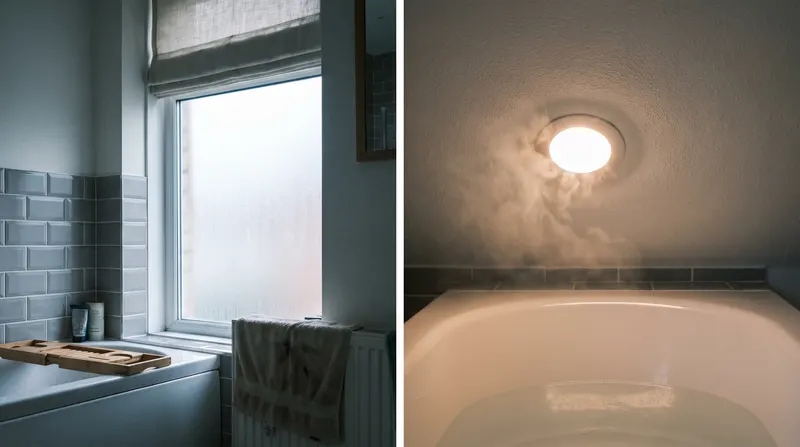
Water and electricity share a bathroom in a way they don't anywhere else in the house, which is why bathrooms are treated as a "special location" in the wiring regulations, with rules on top of the ones that apply everywhere else. The zones are the practical result: a way of mapping where water is likely to land, and matching what's allowed in each area to that risk.
The three zones, in plain terms
- Zone 0 — inside the bath or shower tray itself. Anything fitted here has to be able to cope with being submerged.
- Zone 1 — the space directly above the bath or shower, up to a set height. Splashing is expected here even if submersion isn't.
- Zone 2 — a band stretching out from Zone 1, and around a basin's taps. Less exposed than Zone 1, but still somewhere water regularly gets splashed.
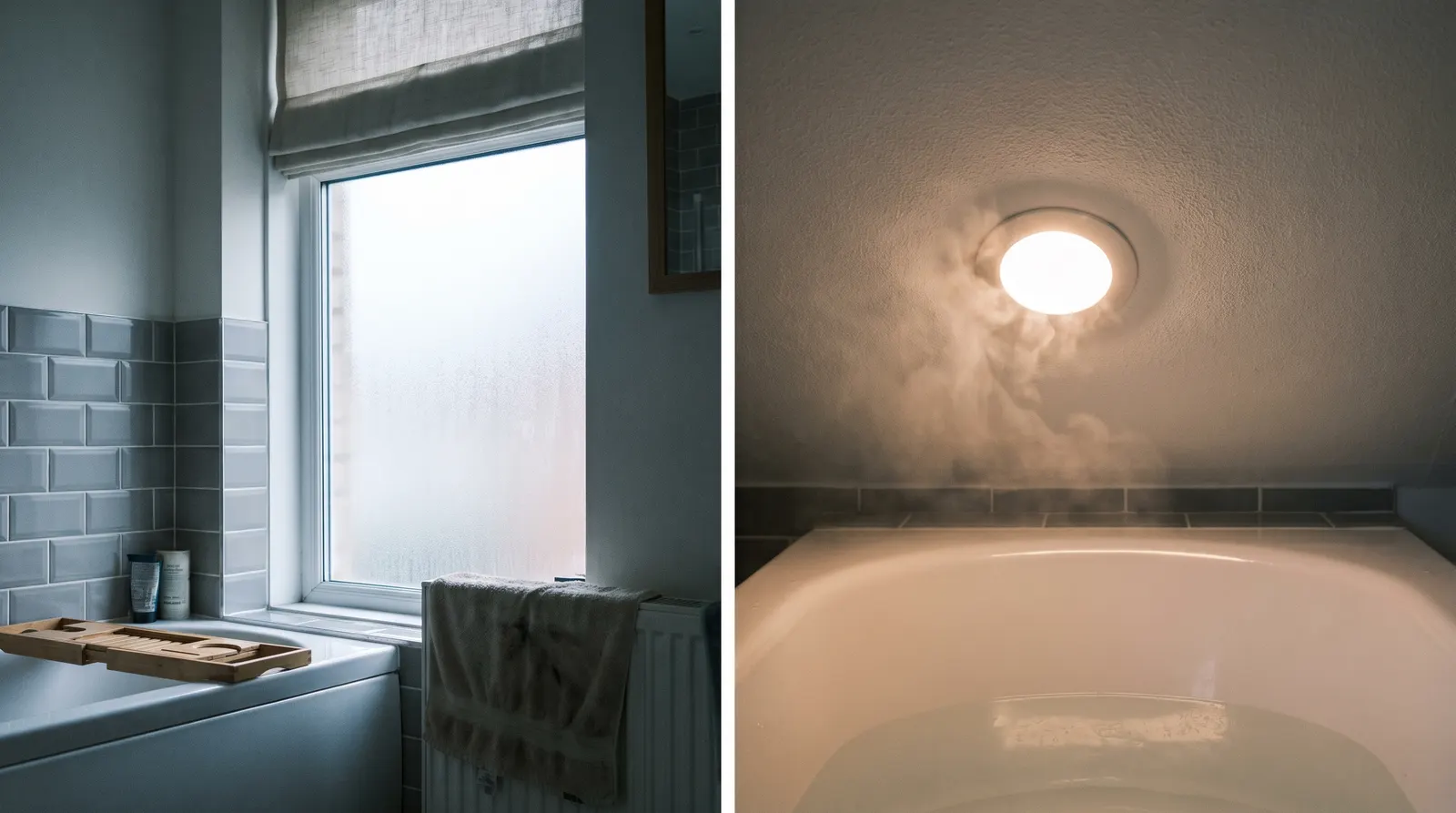
Why the IP rating on the box matters
Every zone carries a minimum IP, or ingress protection, rating — broadly, the closer to the water, the higher the protection a fitting needs against water actually getting inside it. A downlight rated for a dry hallway is not the same product as one rated for Zone 1 above a shower, even if they look identical on the shelf. The exact minimum for a given fitting and zone is worth checking against the fitting's own rating and the room's layout rather than assumed, since it varies with fitting type as well as zone.
Switches, shaver sockets and everything else on the wall
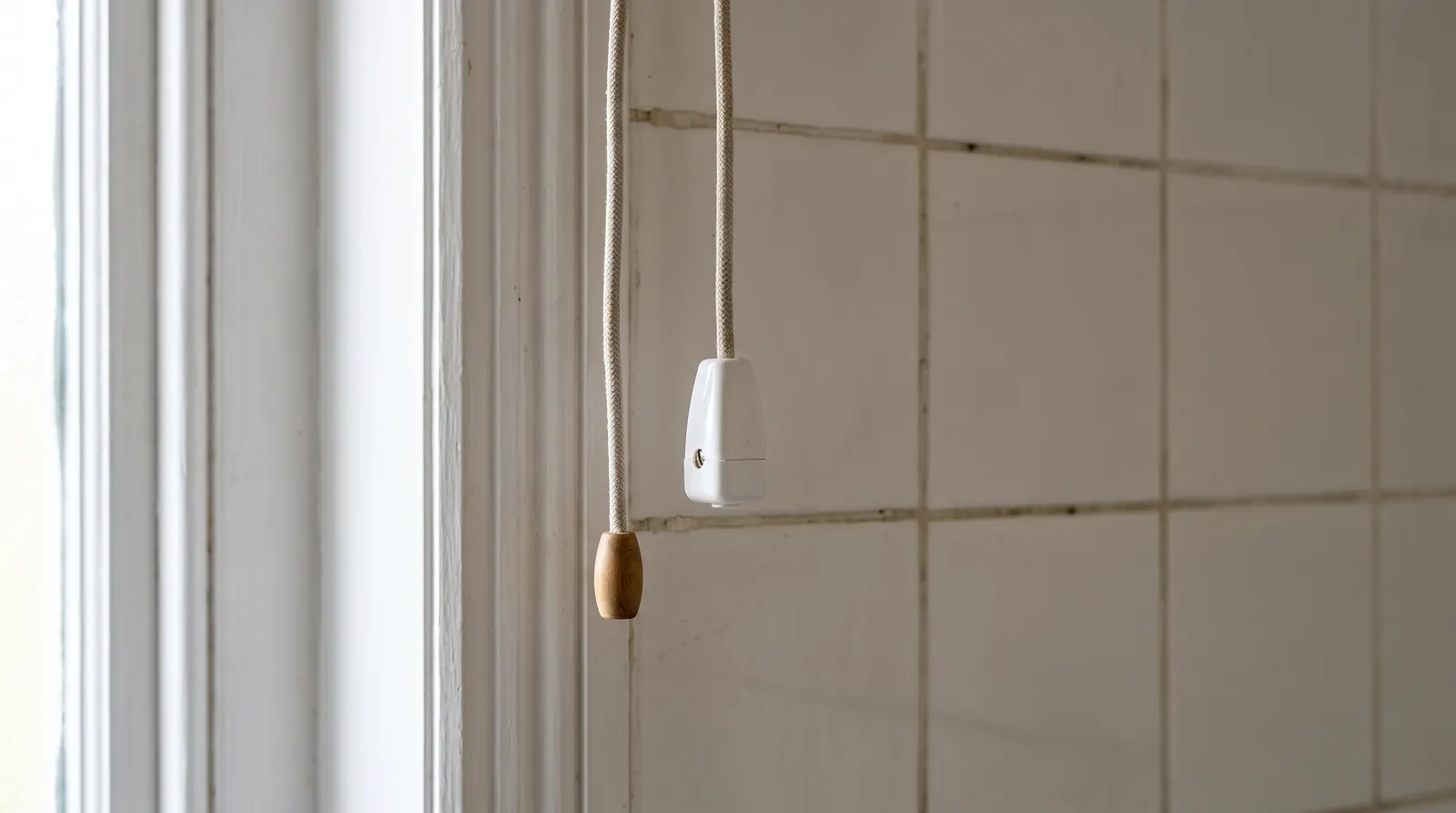
An ordinary light switch on the wall inside a bathroom is normally kept out of the zones altogether, which is why pull-cord switches are still so common in bathrooms with no room to mount a switch outside the door. A shaver socket is one of the few sockets ever allowed inside a bathroom at all, and even then only in Zone 2 or beyond, isolated in a way that limits what can go wrong with it.
Why this counts as notifiable work
A bathroom is a special location under Part P of the Building Regulations, which means new electrical work in one — new lighting circuits included — has to be notified and certified, not just wired in and left. It's the same logic as the fire rating on a loft downlight: a room where getting it wrong has real consequences is a room where the paperwork isn't optional.
We fit bathroom lighting across London, Essex and north Kent, zoned and rated correctly for where each fitting actually sits, and certified once it is done.
If you are unsure, it is always cheaper to ask than to guess. Give us a call and we will tell you straight.