
Landlords
What a landlord electrical safety certificate actually checks
By Mizan, Founder and lead engineer5 min read
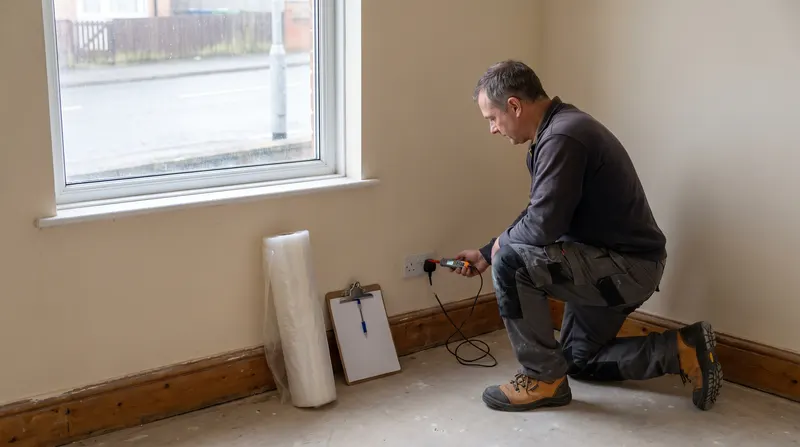
A landlord electrical safety certificate is the same document as an EICR — the law that requires it for rented property sets out the deadline and the paperwork, but not what actually happens while the electrician is in the property. That part is worth knowing before the day arrives.
What gets tested
Every circuit gets tested rather than just looked at: earthing and bonding, insulation resistance on the cables, how fast the RCDs trip, and polarity at every socket and switch that is accessible. The consumer unit is checked as its own item — an old board with no RCD protection at all is one of the most common reasons a rental property's report comes back needing work.
What gets opened up
The consumer unit cover comes off. Accessible loft space gets checked if there is cable running through it. A few socket and switch faceplates typically come off so the electrician can look at the actual connections rather than just the front of the accessory. Fitted furniture, boxed-in pipework or a locked room the electrician cannot get into simply cannot be assessed — the report will say so rather than assume it is fine.
How long the electrician is in the property
For a typical flat, expect a few hours. A larger house with more circuits, or a property where access is awkward, takes longer. Testing an RCD means briefly cutting power to whatever it protects, so short interruptions to sockets or lighting during the visit are normal and expected, not a sign anything has gone wrong.
What a tenant needs to do
Very little. Being in, or arranging access, and clearing anything blocking the consumer unit or a loft hatch is genuinely most of it. The tenant is entitled to a copy of the finished report within 28 days, though it is the landlord who commissions the visit and who the report legally belongs to.
We carry out landlord electrical safety certificates across London, Essex and north Kent, for individual landlords and for agents managing several properties at once.
If you are unsure, it is always cheaper to ask than to guess. Give us a call and we will tell you straight.