
Guides
Energy-efficient electric radiators: what actually helps
By Mizan, Founder and lead engineer4 min read
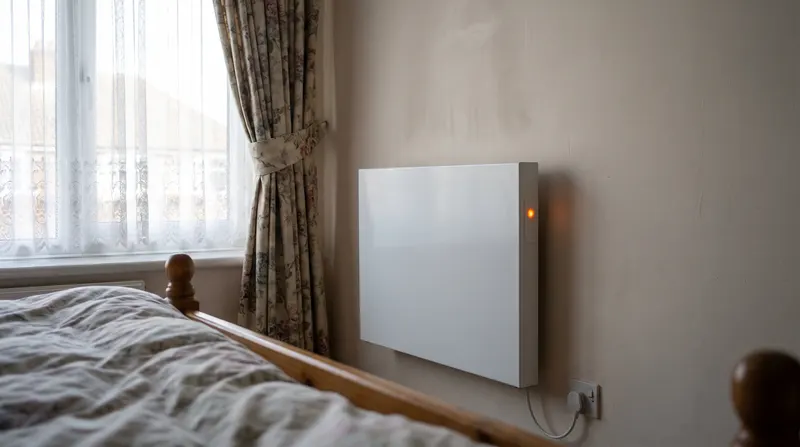
We've already made the honest comparison between electric radiator types and what they actually suit. This one is narrower: if you already have electric radiators, or you're choosing new ones, what genuinely reduces what they cost to run — as opposed to what the marketing on the box implies.
Sizing it to the room, not the room to it
An undersized radiator runs flat out and still can't hold the room's temperature, which is expensive and uncomfortable at once. An oversized one cycles on and off more than it needs to, which wastes less than you'd think but is still money spent on capacity the room doesn't use. Proper sizing accounts for the room's heat loss — its insulation, window area and ceiling height — not just its floor area, which is why a competent installer measures the room rather than picking the nearest radiator in stock.
A thermostat that reads the room beats a dial on the radiator
A radiator's own surface-mounted dial is measuring the radiator, not the room — it will switch off once the element is at temperature, whether or not the room has actually warmed up yet. A proper room thermostat, or a smart model with one built in, reads the air and holds a temperature instead of a heat output. That difference in accuracy is where most of the real saving over an old plug-in heater comes from, not the fact that the unit calls itself efficient.
Zoning: heating the room you're using
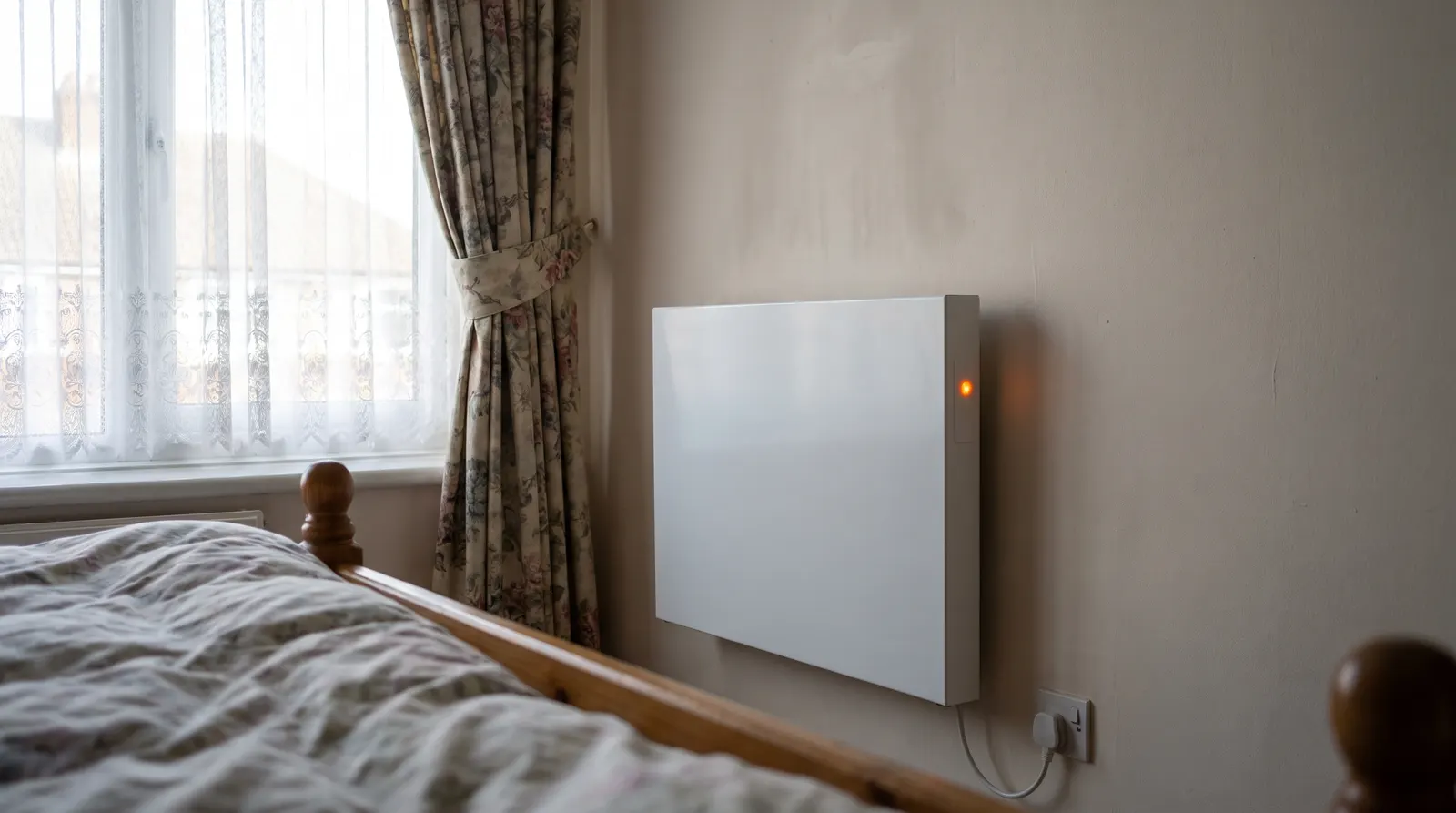
Electric radiators are wired individually, which is an advantage a wet central heating system without separate zone valves doesn't have — each room's radiator can be scheduled or switched off on its own rather than heating a whole house to the same setting. A spare room or a landing that nobody sits in for hours doesn't need to be held at the same temperature as the room you're actually in, and most of the saving available here is simply not heating rooms nobody is using.
What the room is doing before you blame the radiator
A radiator fighting a draughty window, an open trickle vent, or curtains that fall in front of it rather than clear of it is working harder than it should for the same comfort. None of that is the radiator's fault, and no amount of 'eco mode' marketing fixes a room that's losing heat as fast as the radiator can put it in.
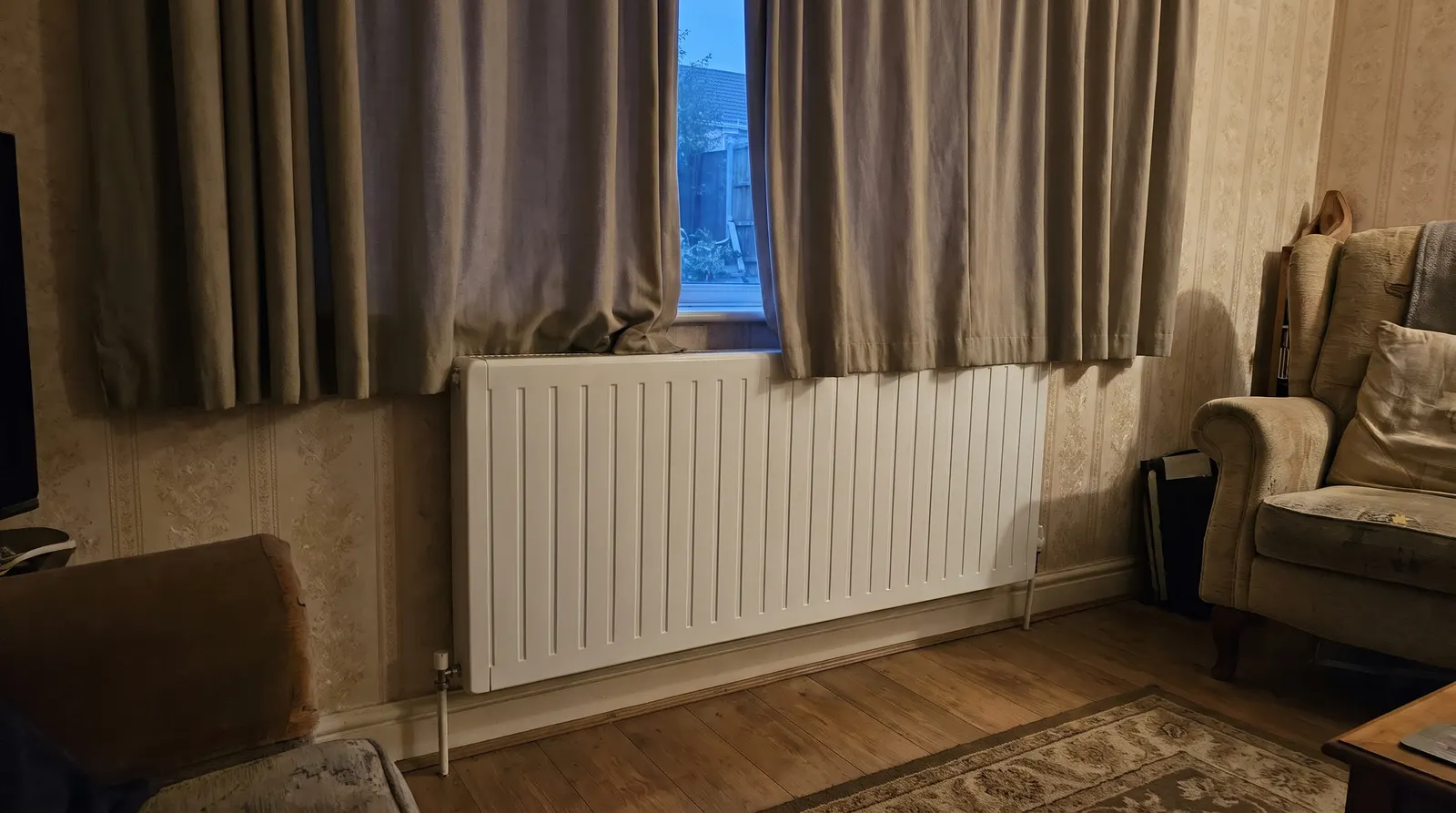
- Keep curtains and furniture clear of the radiator on every side, not draped in front of it.
- Check trickle vents and draughts around the same window before assuming the radiator is underperforming.
- Treat a specific percentage saving claimed on the box with scepticism — read the manufacturer's own instructions for what the mode actually changes rather than taking the figure on trust.
- A radiator on its own fused spur, correctly rated for its wattage, is the safest and most reliably controlled way to run one.
We wire electric radiators onto their own fused spurs and fit the room thermostats and controls that make the difference described above, as part of general heater installation and repair work across London, Essex and north Kent.
If you are unsure, it is always cheaper to ask than to guess. Give us a call and we will tell you straight.