
Guides
Wireless light switches: when they solve a real problem
By Mizan, Founder and lead engineer5 min read
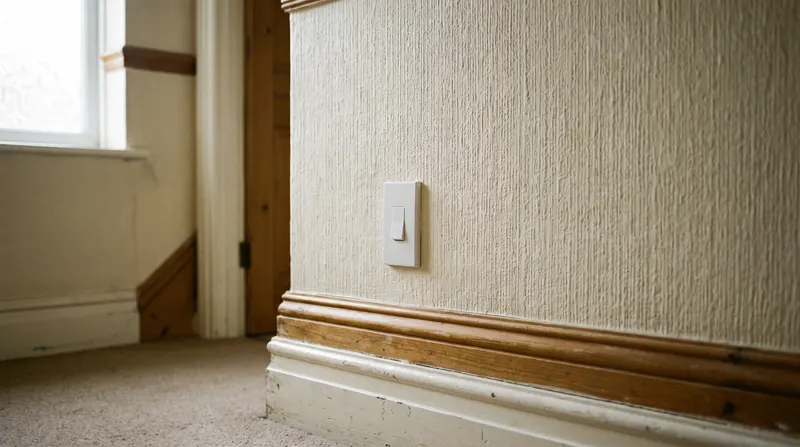
A wireless light switch has no cable running to it at all. It's a small battery-powered radio transmitter, stuck or screwed to a wall, that sends a signal to a receiver fitted somewhere else — usually at the light fitting or back at the consumer unit. That's a genuinely different thing from a smart switch, which is still wired into the circuit and just adds remote control on top.
The problem it actually solves
The real use case is adding a switch position where running a cable would mean lifting a floor, chasing a finished wall, or getting into a ceiling void that's no longer easy to reach — a second switch for a landing light, an extra control point in a conservatory added after the original wiring went in, a switch on a shed or outbuilding with power but no spare cable route back to the house. Where a cable run is genuinely impractical, a wireless switch does the job without any of that disruption.
It's a transmitter, not a switch — the wiring still happens somewhere
The part on the wall does none of the actual switching. A receiver, wired into the circuit at the light or further back, does the work, and that receiver still needs proper mains wiring and a sensible place to sit. Fitting a wireless switch doesn't remove the wiring job — it just moves where that wiring has to happen, usually somewhere more convenient.
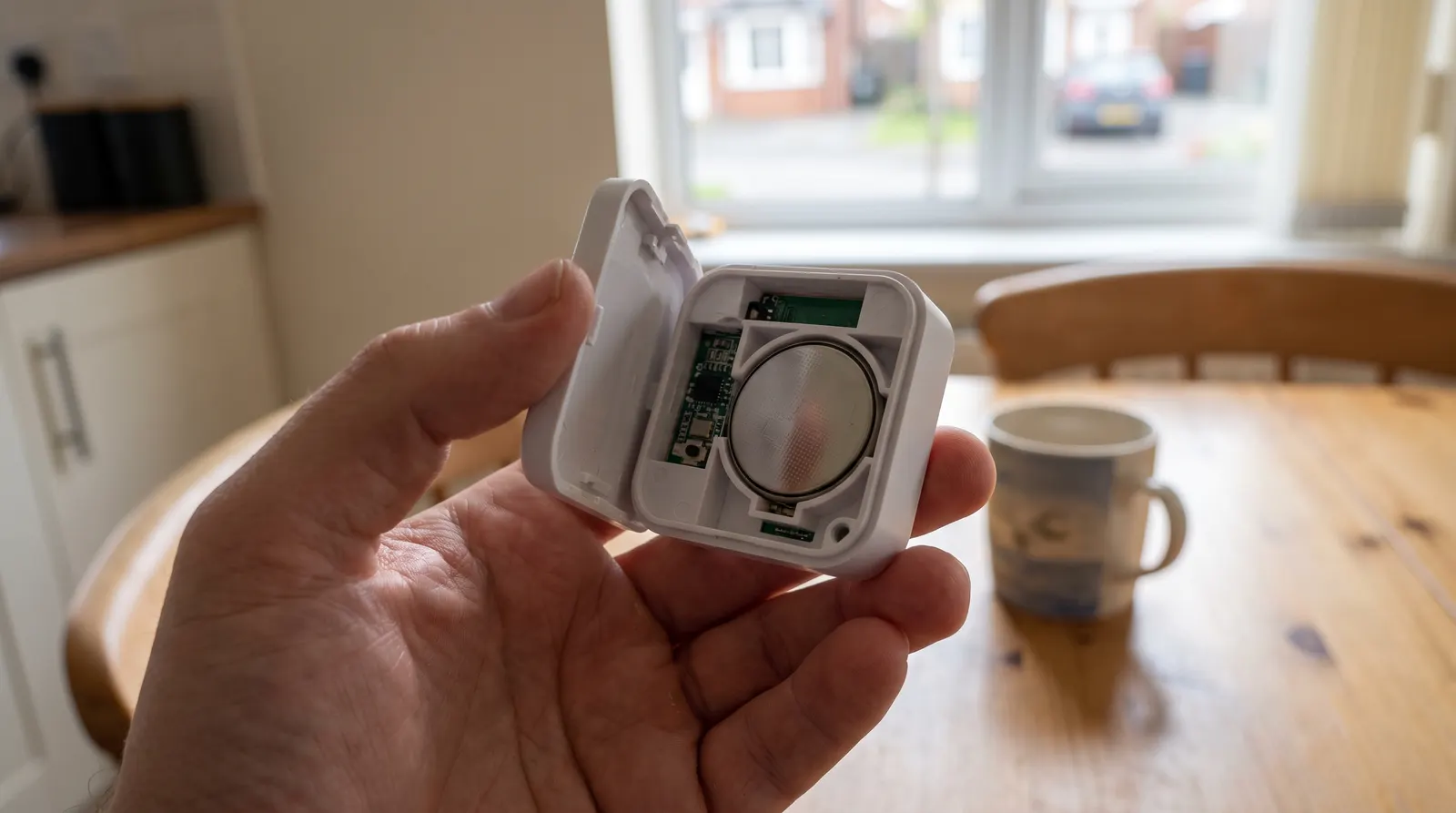
Batteries and range, honestly
The battery lasts long enough that most people forget it's there until the switch stops responding one day — but it will need replacing eventually, which a wired switch never asks for. Range through walls varies more than the packaging suggests, and older houses with solid brick or a lot of metal in the walls can be less forgiving than a new-build stud wall. Worth checking that in practice before committing a whole room to the idea.
- Fits well: a switch position you couldn't cheaply or neatly cable to any other way.
- Fits well: a shed, outbuilding or seasonal fitting where a permanent cable run isn't worth the disruption.
- Fits badly: a straightforward replacement where a cable is already there — a wired switch is simpler and never needs a battery.
We fit wireless and smart light switches as part of general sockets and lighting work across London, Essex and north Kent, and we'll say plainly when a cable run is the better answer rather than selling you a workaround for its own sake.
If you are unsure, it is always cheaper to ask than to guess. Give us a call and we will tell you straight.