
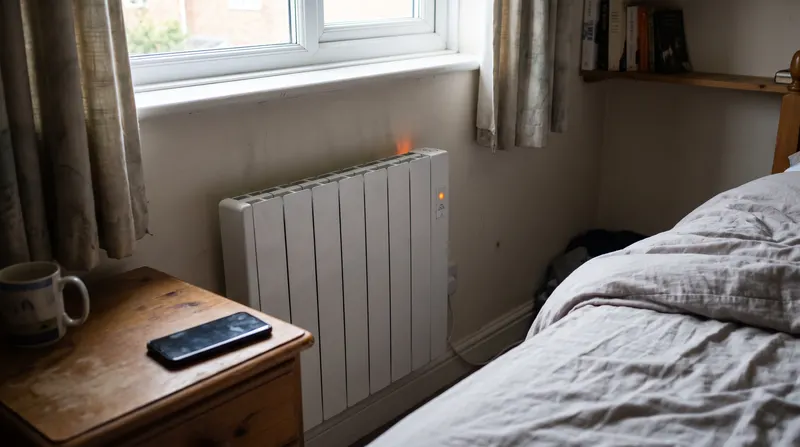
We've already made the honest comparison between electric radiator types, and looked separately at what genuinely improves their running cost. A "smart" radiator sits on top of both of those — it's still a resistance heater underneath, just with a different way of telling it when to come on.
What 'smart' actually means on a radiator
Strip away the marketing and a smart electric radiator usually adds three things over a standard thermostatic model: an app you can control it from away from the room, a weekly schedule you set once rather than adjust by hand each day, and some form of open-window or presence detection that pauses it rather than heating an empty room or an open window. Some go further with location-based control that reacts to your phone leaving or approaching the house. None of it changes how the radiator makes heat.
Zoned heating is the point, not the app
The real idea behind fitting several smart radiators is zoning — treating each room as its own heating circuit instead of one timer deciding when the whole house gets warm. A spare room that sits empty most days does not need to be on the same schedule as a bedroom used every night.
- A bedroom scheduled to warm up shortly before bed, rather than running all evening.
- A living room on in the hours it is actually occupied, off once everyone has gone up.
- A spare room or box room left off by default, with a manual boost for the odd night it is needed.
- A bathroom given a short, timed boost around when it is used, rather than left on a general heating schedule.
What stays exactly the same electrically
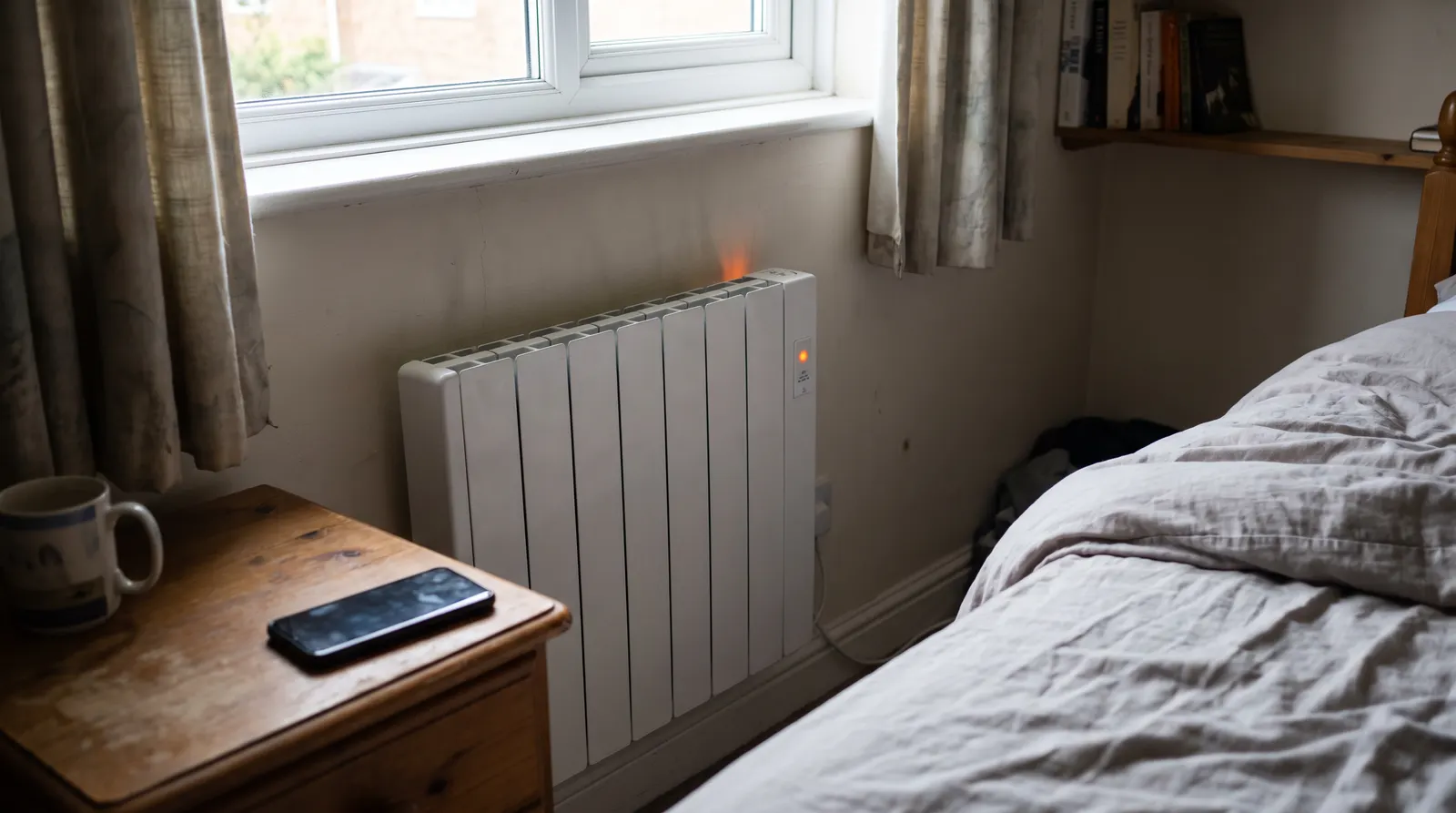
We said it plainly in the piece on efficiency: every electric radiator turns a kilowatt of electricity into a kilowatt of heat, and no amount of app polish changes that conversion. A smart radiator's saving comes entirely from running for fewer hours, at times that actually match when the room is used — not from the heater itself working harder for less. If you are inconsistent with a manual timer, or often away and leaving radiators running by habit, that is where the saving shows up. If you already schedule and switch off reliably by hand, a smart control buys convenience rather than a meaningful drop in the bill.
Where the electrics do matter
A Wi-Fi smart radiator still needs the same fixed, earthed supply as any other electric radiator — a dedicated fused spur correctly rated for its wattage, not an adaptor or a shared socket. Swapping a plain radiator for a smart one on an existing spur is usually straightforward, but adding several smart radiators to a property over time is worth totalling up: each one adds to the load the consumer unit and existing circuits were originally sized around, and that can creep past what was accounted for without anyone noticing until something trips.
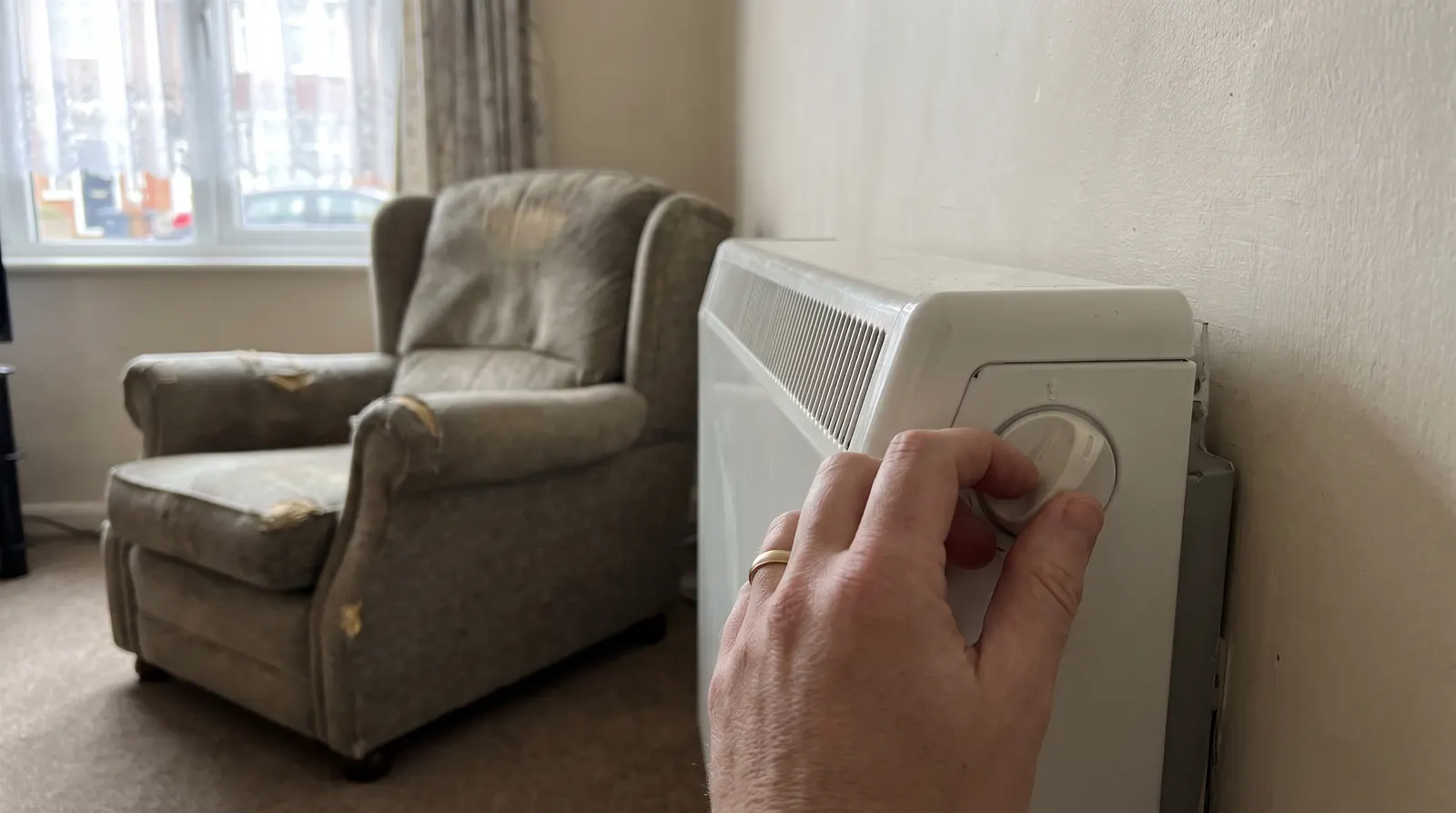
We wire electric radiators, smart models included, onto their own properly rated fused spurs, and check the existing circuits can genuinely take the extra load before more go in, as part of general heater installation work across London, Essex and north Kent.
If you are unsure, it is always cheaper to ask than to guess. Give us a call and we will tell you straight.