
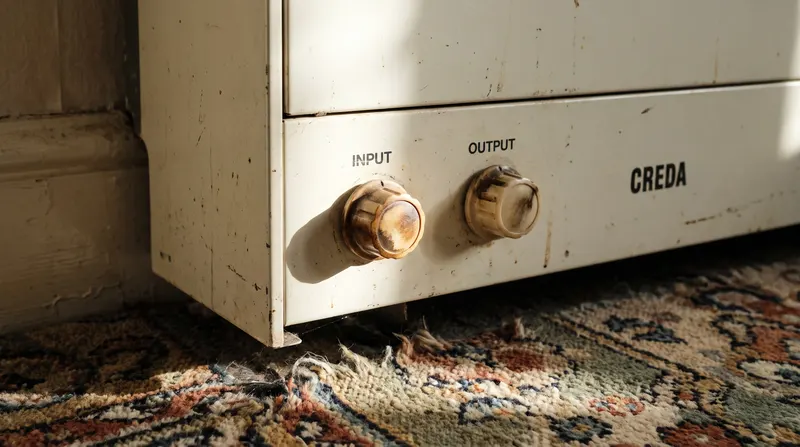
A storage heater does not work like an ordinary electric heater that switches on when you want heat. It runs on a two-stage cycle, and most of the confusion people have with them comes down to not knowing which stage they are looking at.
Charging overnight, on the cheap rate
During a set off-peak window overnight — commonly around seven hours, though the exact timing depends on your tariff and supplier — the heater draws electricity and stores it as heat in dense ceramic bricks inside the casing. This is the point of pairing storage heaters with an off-peak tariff like Economy 7: the electricity used to charge them is bought at the cheaper night rate.
The input dial
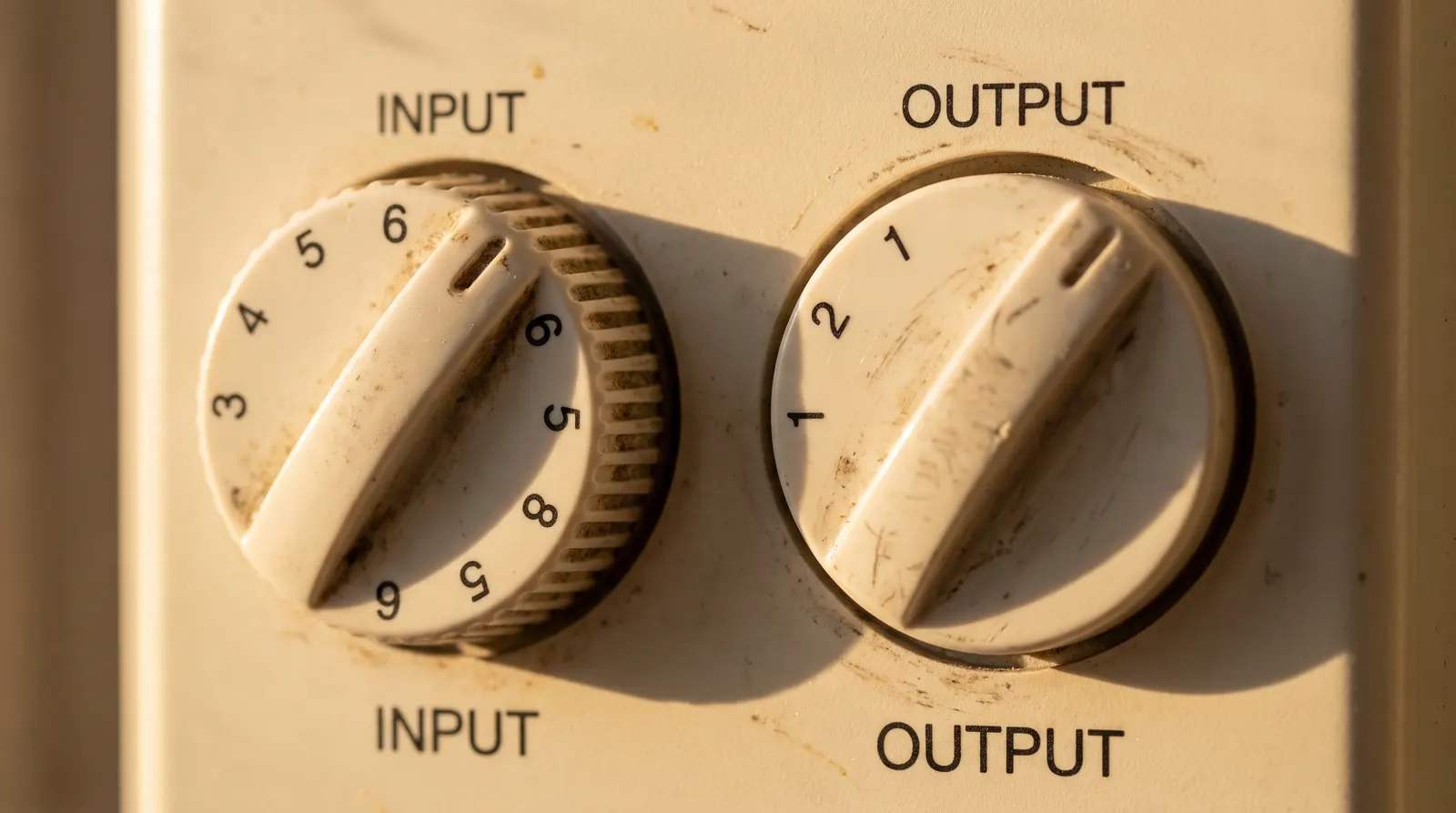
Input controls how much charge the heater takes in overnight. Turned up in cold weather, turned down when the house needs less heat. On older units this is often the dial with no obvious label beyond a simple scale — if a heater is cold all day regardless of the weather, checking whether input has been left low is worth doing before assuming a fault.
The output dial
Output controls how quickly the stored heat is released through the following day, usually by opening or closing a damper inside the casing, sometimes helped by a small fan on newer models. Turned up, the heat comes out faster and the room warms sooner — at the cost of the heater running out of stored heat earlier in the day.
Why it can feel cold by teatime
Output set too high for the amount charged overnight is the single most common reason a storage heater feels warm in the morning and cold by evening. It has simply released everything it stored faster than the day needed it. Turning output down and input up, and giving it a couple of days to settle into the new setting, fixes this more often than people expect — before assuming the heater itself has failed.
Where modern units differ
Newer high heat retention storage heaters hold their charge for longer and release it more evenly through the day, usually with a thermostat rather than a simple output dial. They cost more to buy than a like-for-like replacement of an old unit, and whether that trade-off is worth it depends on how the property is used — worth asking about rather than assuming either way.
We work on Economy 7 and off-peak heating systems, repairing or replacing a storage heater you already have.
If you are unsure, it is always cheaper to ask than to guess. Give us a call and we will tell you straight.