



07 Sep, 2026
Posted by admin
0 comment
Does Your House Actually Need Rewiring? The Signs That Matter (And the One That Doesn’t)
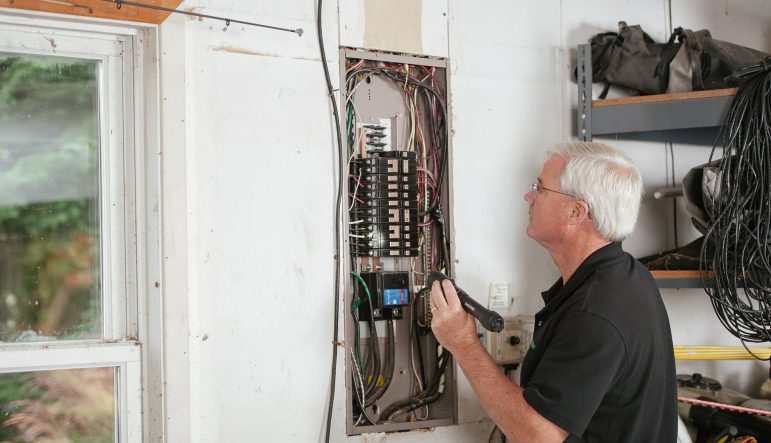
Every few months someone tells us their house “definitely needs rewiring” because it was built in 1975, in the same tone they’d use to say a carton of milk is definitely off because it’s been in the fridge a while. Sometimes they’re right. Often the wiring is in perfectly good nick and what actually needs attention is one dodgy socket behind the telly.
So let’s clear something up: the age of your house is not the test. The condition of your wiring is. Here’s how to tell the difference, and which signs mean pick up the phone rather than pick up a paintbrush.
Age is a red herring
It’s a fair assumption that older equals riskier, but that’s not how wiring works. According to Electrical Safety First, whether a property needs rewiring “depends on its condition rather than its age” — if it’s been tested and everything is working effectively, there’s no requirement to touch it, whatever decade it went in. A well-installed system from the 1980s can easily be safer than a botched DIY job from last spring.
That’s the reassuring bit. Now for the bit that actually matters.
The signs that do matter
Scorch marks or burns on plugs and sockets
Any browning, blackening or melted plastic around a socket or plug means heat has been building where it shouldn’t. This is not cosmetic. It is a sign that a connection has been overheating, and overheating connections are how electrical fires start. Stop using that socket immediately and get it looked at.
Buzzing or crackling from a switch or socket
Electricians call this “arcing” — electricity jumping a gap it shouldn’t be jumping. It sounds like a faint crackle or buzz and it is a genuine fire risk, not a quirky feature of an old house. If you hear it, switch off at the consumer unit if you safely can and call a qualified electrician. Don’t wait to see if it happens again.
Fuses blowing or breakers tripping repeatedly
An occasional trip because you overloaded one circuit is normal. A breaker that trips again and again, or an RCD that keeps cutting out, is your consumer unit doing its job by refusing to ignore a fault. Resetting it on repeat instead of finding the cause just delays the moment it fails to trip when you actually need it to.
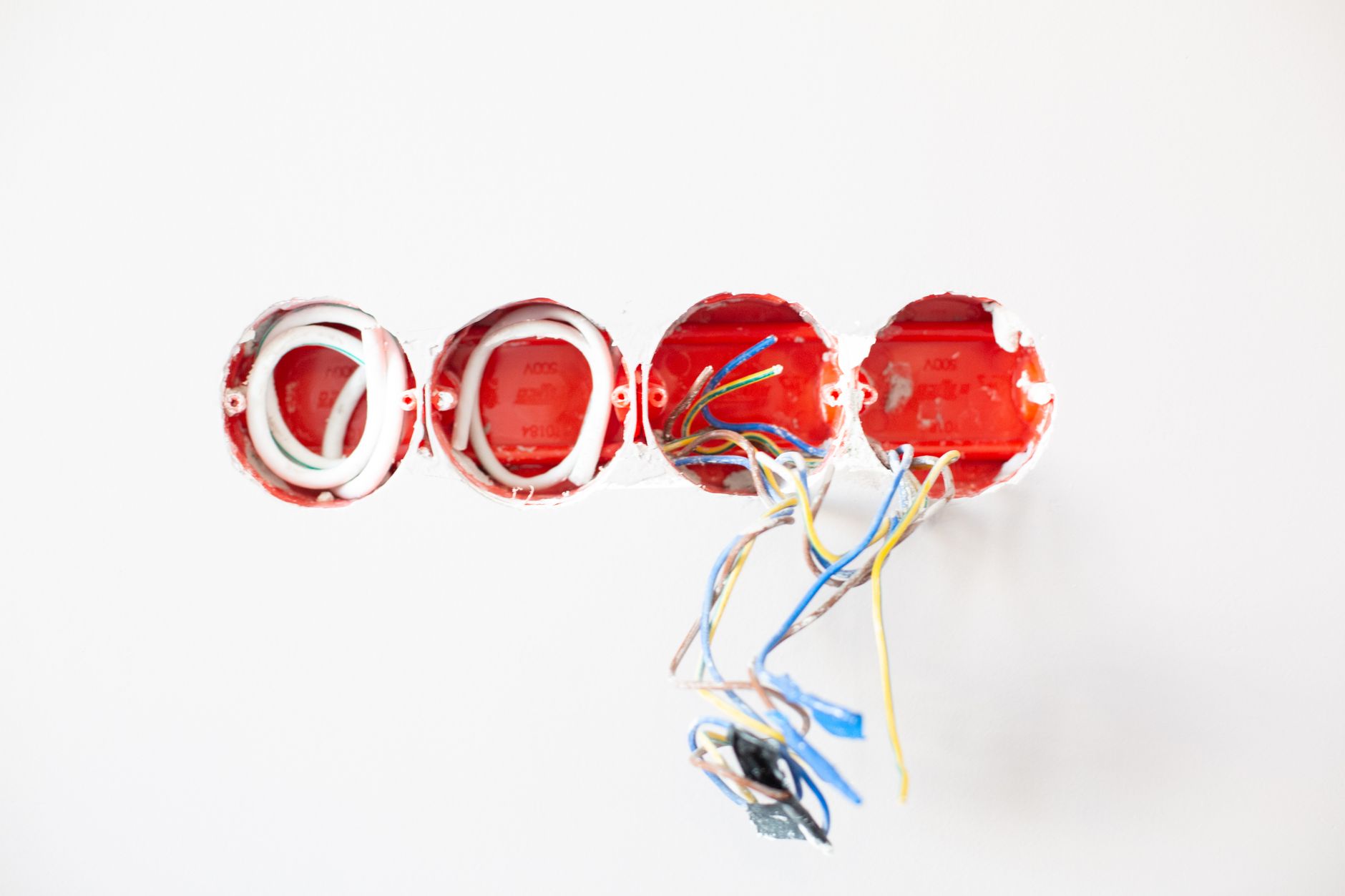
What a healthy answer looks like on paper
You don’t have to guess. An Electrical Installation Condition Report (EICR) tests the wiring, earthing, bonding and consumer unit throughout the property and hands you a plain-English verdict, plus a list of anything that needs fixing. Electrical Safety First recommends one at least every 10 years for a home you own and live in. If you rent your property out, the law is stricter: an EICR every 5 years or at each change of tenancy, whichever comes first.
Buying a house, inheriting one, or simply never had one done? That’s the moment to get an EICR rather than relying on how the house “feels”.
When to stop wondering and start calling
If any of the warning signs above sound familiar — a hot or discoloured socket, a crackle from behind a switch plate, a breaker you keep resetting like it’s a chore rather than a warning — that’s not a job to sit on. And if nobody can remember the last time the wiring was tested, an EICR will tell you exactly where you stand, whether the house is from 1965 or last year.
Give us a shout
We’re NICEIC Approved and City & Guilds qualified, covering East London, Dagenham and the surrounding areas, with London-wide cover for genuine emergencies. No call-out fees, and 24/7 availability for the things that can’t wait until morning.
EICRs, partial or full rewires, consumer unit upgrades, or just a socket that’s making a noise you don’t like — get it checked properly rather than guessed at.
Give us a call on 07502 396654.
Old house, new house — the wiring doesn’t care how it looks from the outside.
Recent Posts
07 Sep, 2026
Does Your House Actually Need Rewiring? The Signs That Matter (And the One That Doesn’t)
Age isn't the test for whether your wiring is safe — condition is. H
18 Dec, 2023
Why Regular PAT Testing Matters for London Landlords
For businesses and landlords in London, maintaining a safe environment