



09 Sep, 2026
Posted by admin
0 comment
Charging Your EV From a Window Extension Lead? Here’s Why That’s a Bad Habit
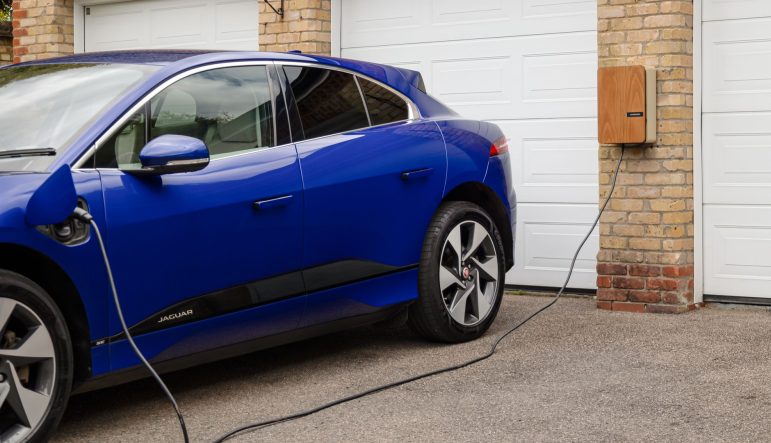
Somewhere on your street right now, there’s an extension lead snaking out of a downstairs window, over the front step, and into the boot of an electric car. We see it constantly. It’s tidy, it’s cheap, and it feels like exactly the sort of sensible, make-do thing British homeowners are famous for.
It’s also one of the more avoidable ways we get called out to a job we’d much rather have prevented.
Why a three-pin plug wasn’t built for this
A kettle draws power for three minutes. A phone charger sips it overnight. An EV, plugged into a standard household socket via a granny charger or an extension lead, can pull a steady load for six, eight, sometimes ten hours at a stretch — night after night.
According to Electrical Safety First, that’s precisely the problem: the extended load and duration of charging an EV is likely to exceed what a standard socket outlet and standard household wiring were ever designed for. A connection that’s perfectly fine for a toaster starts to labour under that kind of sustained draw, and a labouring connection gets hot. Add a coiled extension reel, ageing wiring behind the wall, or a socket that’s already a bit tired, and you’ve built a genuine fire risk into your evening routine without meaning to.
What “doing it properly” actually looks like
A dedicated charge point, fitted by someone qualified
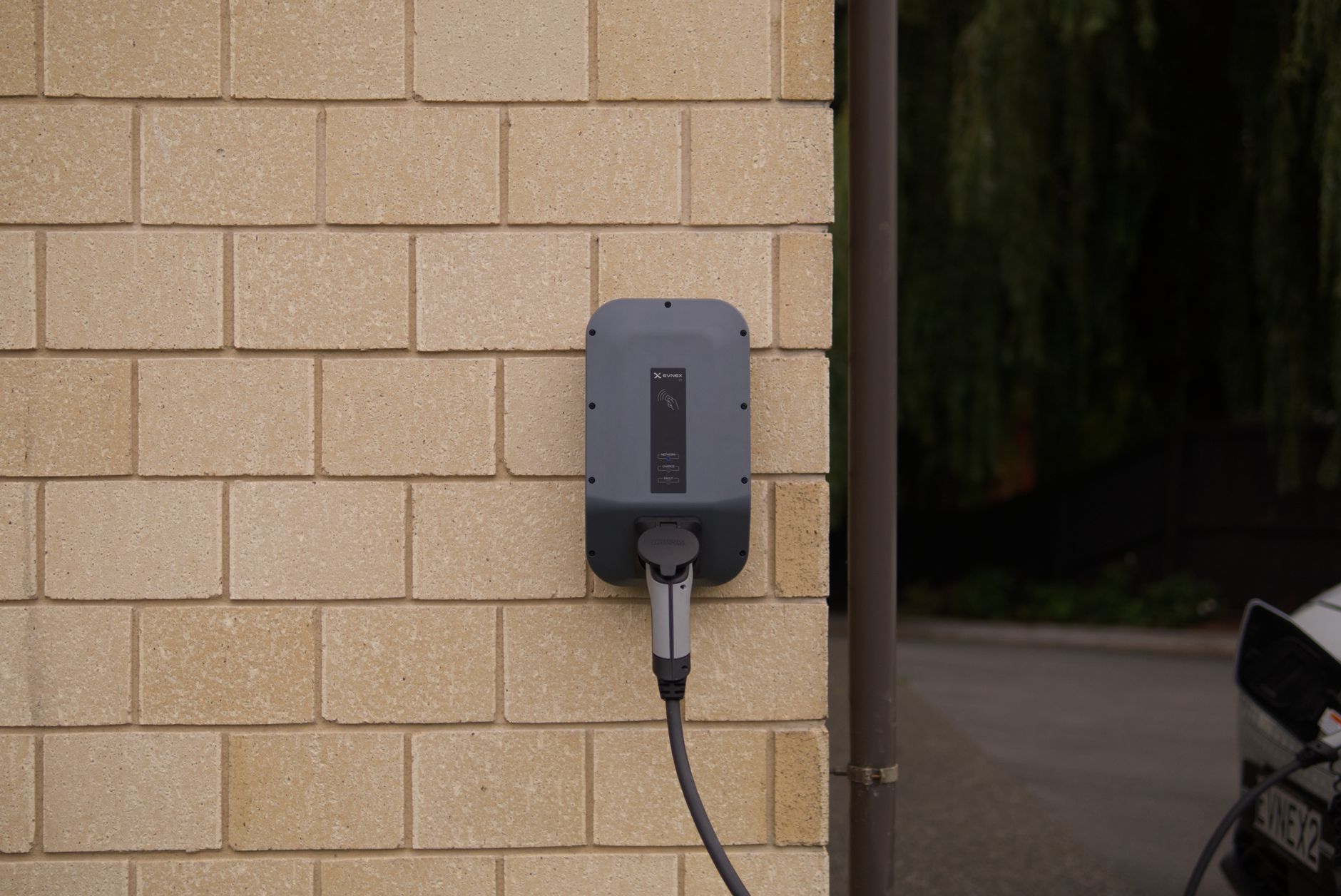
Electrical Safety First is blunt about this one: the safest way to charge at home is with a dedicated EV charge point (EVCP), installed by a qualified, registered electrician trained specifically in EV installations. It’s not a job for a general socket-and-switch afternoon — it involves assessing your consumer unit, your earthing arrangement, and often notifying your local Distribution Network Operator before the unit ever gets switched on.
Since 2022, new home chargers also have to meet the Electric Vehicles (Smart Charge Points) Regulations — which, among other things, means the unit defaults to charging outside peak demand hours unless you override it. That’s a genuinely good thing: it’s designed and built to sit there charging unattended overnight, which is exactly what an extension lead was never meant to do.
Buy the charger, not just the car
Second-hand chargers and cables bought from unfamiliar online sellers are a false economy. Stick to reputable manufacturers, register the unit as instructed, and if in doubt about a cable that came with a used car, get it checked before you rely on it.
Renting, or don’t have a driveway? There’s help for that
The old blanket grant for owner-occupiers with a private driveway has gone. What’s still available is genuinely useful if it applies to you: renters, flat and apartment owners, landlords installing for tenants, and residents with shared or allocated parking can currently claim towards the cost of a socket through the OZEV chargepoint grant scheme — worth checking before you assume you’re paying full price. It has to go through an OZEV-authorised installer fitting an OZEV-approved unit, which, handily, is exactly the standard you want for safety reasons anyway.
When this stops being a “someday” job
If you’re currently charging via a granny cable through a window or an extension lead across the drive — especially if it’s your daily routine rather than an occasional emergency top-up — that’s worth sorting soon, not eventually. The same goes if your consumer unit is old, if you’ve never had the house’s wiring properly assessed, or if you’ve noticed the socket you’re using gets warm, discoloured, or trips the breaker.
None of that is a reason to panic. It’s a reason to get someone qualified to look at it before the pattern repeats itself for another six months of dark evenings.
Give us a shout
NICEIC Approved, City & Guilds qualified, covering East London, Dagenham and the surrounding areas — London-wide for emergencies. No call-out fees, and 24/7 availability for the things that genuinely can’t wait.
EV charge point installation, consumer unit upgrades, EICRs, or just an honest look at whether that extension lead through the window needs to become something safer — happily.
Give us a call on 07502 396654.
Charge the car, not the fire brigade’s evening.
Recent Posts
09 Sep, 2026
Charging Your EV From a Window Extension Lead? Here’s Why That’s a Bad Habit
That extension lead trailing out of the window to charge your EV feels
18 Dec, 2023
Why Regular PAT Testing Matters for London Landlords
For businesses and landlords in London, maintaining a safe environment