



26 Aug, 2026
Posted by admin
0 comment
Bank Holiday Storms: Keeping Your Home’s Electrics Safe Through Rain, Floods and Lightning
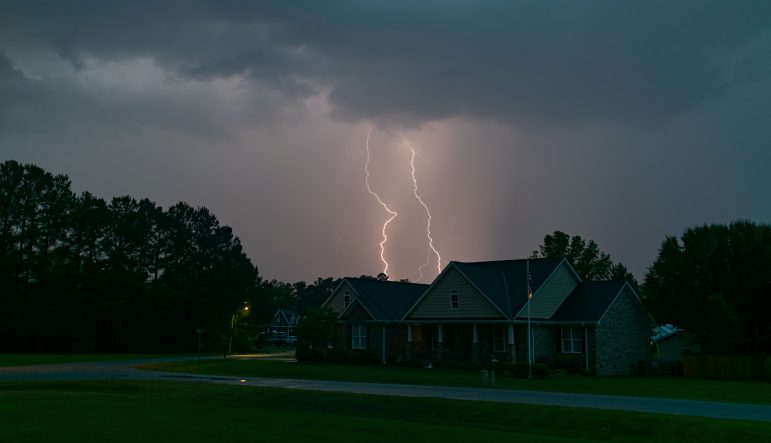
The Met Office has been talking about this bank holiday weekend the way it usually talks about hurricanes with names. Thunderstorms, heavy rain, the works — just as half of London was planning a barbecue. Typical.
We’re not weather forecasters. We’re electricians. But storms and floodwater have a nasty habit of turning into our problem, and often yours too, so here’s what’s actually worth knowing before the sky opens.
Why storms are an electrical problem, not just a wet one
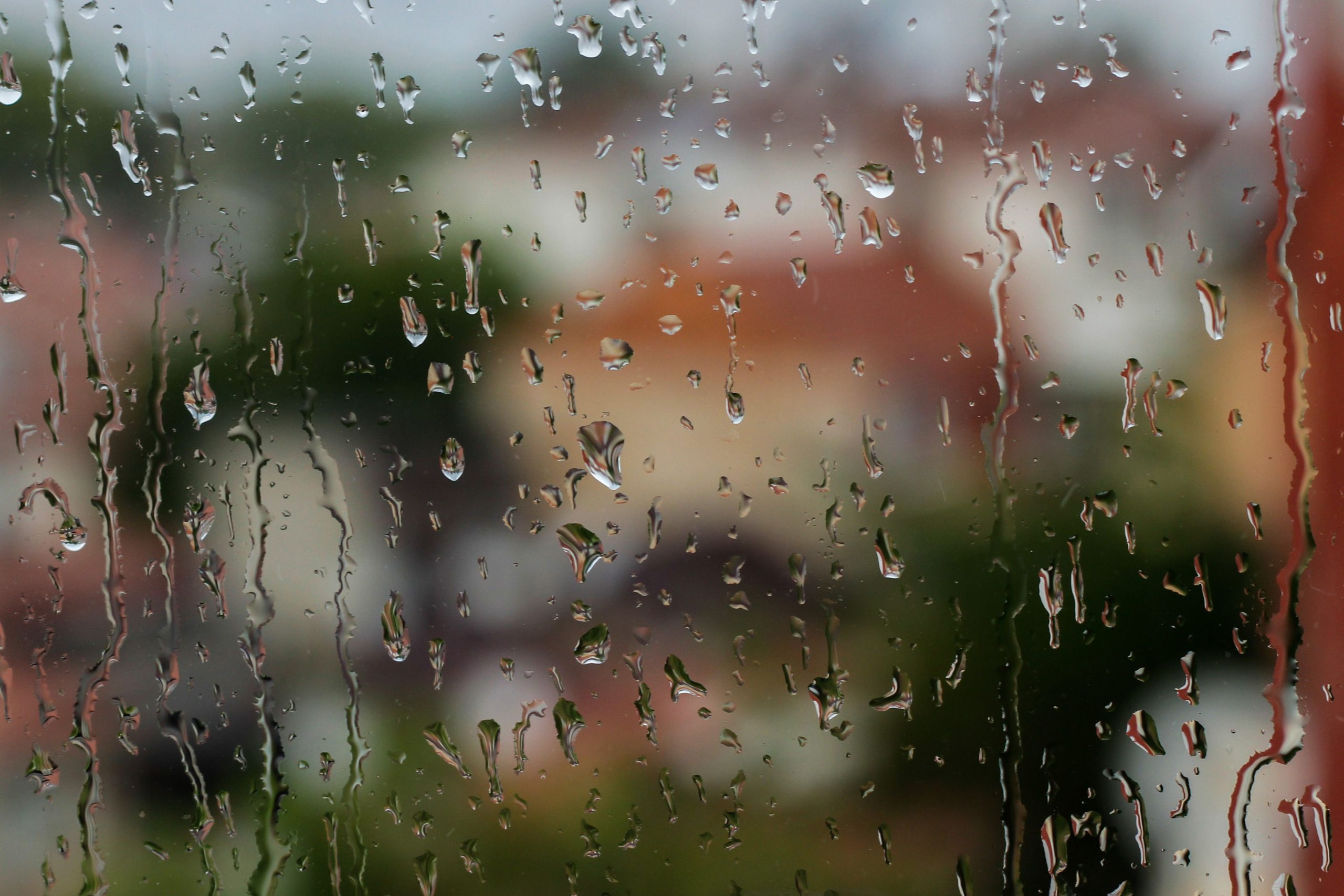
A downpour on its own usually isn’t the issue — your consumer unit and wiring are designed to cope with normal British weather. The trouble starts when water gets somewhere it shouldn’t: pooling under an outdoor socket, seeping into a garage consumer unit, rising through an airbrick into a ground-floor ring main, or finding its way into a loft through a slipped tile during a proper downpour.
Lightning adds a second risk. A strike doesn’t need to hit your house directly to cause damage — a surge travelling down the incoming supply can knock out a boiler control board, a smart meter, or anything else plugged in at the time.
If water gets near your electrics, this is not optional
This part is serious, so we’ll keep it plain.
If floodwater, a burst pipe, or a leak has reached anywhere near sockets, switches, or your consumer unit:
- Do not touch any switch, socket, or appliance with wet hands, or while standing in water.
- Turn off the power at the consumer unit if you can reach it safely without stepping through water to get there. If you can’t reach it safely, leave it and get out.
- Do not switch anything back on to “see if it still works.” A circuit that looks fine can still be live and dangerous.
- Do not attempt any DIY repair, drying-out, or temporary fix. Cables and connections that have been wet need a qualified electrician to test and clear them before anything is used again — this includes sockets, the consumer unit itself, and any appliance that got wet.
Electrical Safety First are unambiguous on this: water and electricity are a genuinely lethal combination, and flood-affected wiring should be treated as dangerous until a registered electrician has checked it. That’s not caution for caution’s sake — it’s the same advice we’d give a friend.
Before the storm hits: five minutes well spent
Bring in what shouldn’t be out
Extension leads, chargers, string lights, anything not specifically rated for outdoor use — in, or at least off the ground and away from where water pools.
Check outdoor sockets have a closed cover
Outdoor sockets should have a weatherproof enclosure that shuts properly when not in use. If the flap’s cracked, gone, or doesn’t sit flush, that socket needs attention — not this weekend, but soon.
Know where your consumer unit is, and that it’s dry
Sounds obvious. Plenty of consumer units in East London terraces live in garages, sheds, or under-stairs cupboards near an exterior wall — exactly where water finds a way in during a proper storm.
Unplug sensitive electronics during a lightning storm
Not essential, but a sensible precaution for anything expensive — TVs, computers, boiler controls — if you’re getting frequent, close lightning.
Test your RCD
If your consumer unit has a test button (most modern ones do), press it. It should trip the circuit instantly. This is the device that’s meant to protect you if water and electricity do end up in the same place — worth knowing it actually works.
After the storm passes
If the power’s gone off across your street, that’s very likely the network operator dealing with a fault, not your house — a call to your Distribution Network Operator sorts that. But if your power’s out and your neighbours’ isn’t, or a breaker won’t stay reset, or you’ve noticed damp, staining, or a smell near a socket or the consumer unit, that’s a job for a qualified electrician before you plug anything back in.
We’re here when the weather isn’t playing fair
NICEIC Approved, City & Guilds qualified, covering East London, Dagenham and the surrounding areas — with no call-out fees and 24/7 availability for the things that genuinely can’t wait for the storm to pass.
Flood-affected wiring, a consumer unit that’s taken in water, a lightning surge that’s tripped everything, or outdoor sockets that need making properly weatherproof — get in touch and we’ll sort it safely.
Give us a call on 07502 396654.
Stay dry, stay switched off if in doubt, and we’ll see you on the other side of the bank holiday.
Recent Posts
26 Aug, 2026
Bank Holiday Storms: Keeping Your Home’s Electrics Safe Through Rain, Floods and Lightning
Thunderstorms are forecast for this bank holiday weekend. Here's what
18 Dec, 2023
Why Regular PAT Testing Matters for London Landlords
For businesses and landlords in London, maintaining a safe environment